1. Call and describe
The caller explains what happened, where the vehicle is and what it was exposed to. This shapes the plan and the gear.
Lead, SD · Lawrence County
Call (877) 812-4220 if a vehicle in Lead needs more than a wash. The work includes cleaning up blood and body fluids, treating smells that cling to fabric and disposing of contaminated parts.
If anyone is in danger, call 911 first. For a suicide crisis, call or text 988.
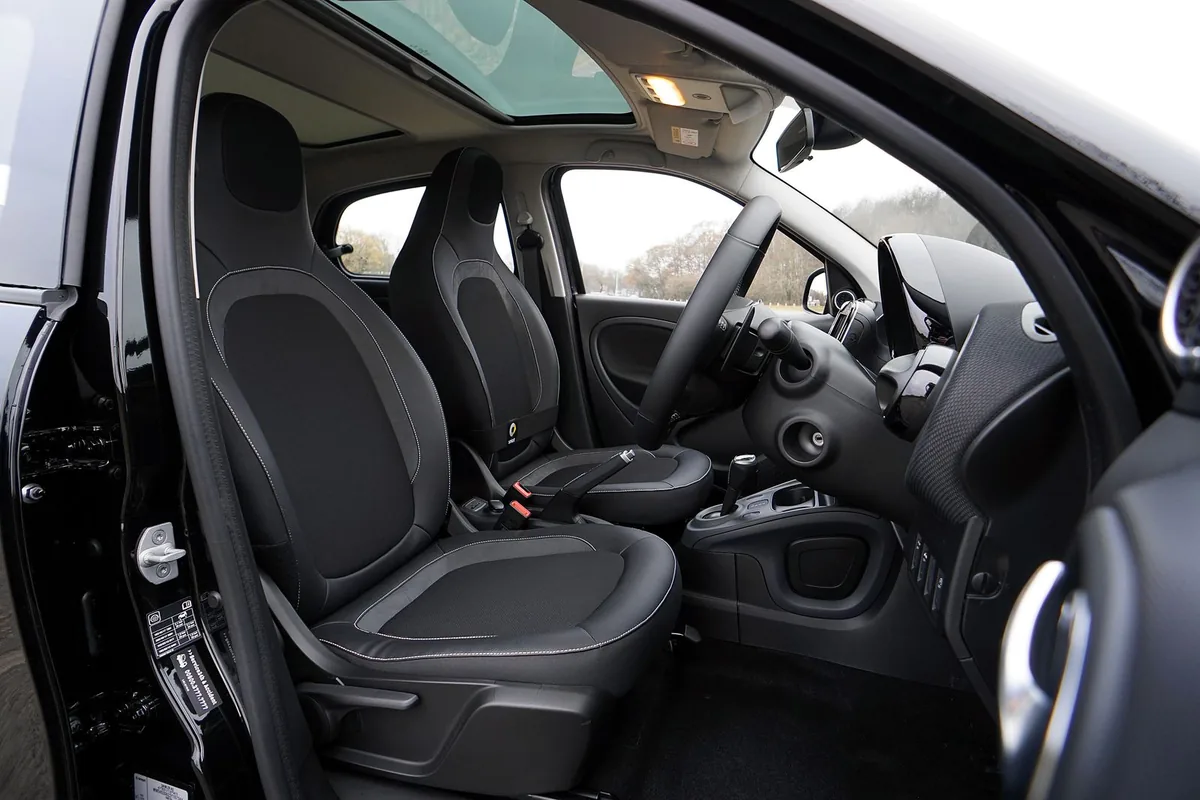
A biohazard vehicle is one that has been contaminated with blood, vomit, urine, feces or decomposition. Such a car cannot be cleaned with soap and a vacuum, because the fluids soak into foam and carpet.
Owners, adjusters, tow yards and fleet managers in Lead and Lawrence County who need your vehicle made safe can call Lead Biohazard Cleanup Help for local vehicle biohazard cleanup.
Even with milder July highs near 82 degrees in Lead, a parked car traps heat, so fluid odors can still build quickly. Vehicles that carried someone to Monument Health Lead-deadwood Hospital in Deadwood often have blood or fluids on the seats, and cleanup can begin once everyone is safe.
What vehicle biohazard cleanup covers:
The caller explains what happened, where the vehicle is and what it was exposed to. This shapes the plan and the gear.
Crews check how far fluid travelled into foam, carpet, door cavities and the floor pan, since the surface rarely shows the full picture.
Fluids, stained upholstery and contaminated debris are removed. Surfaces that can stay are cleaned and disinfected.
Waste is packed for regulated disposal. A final visual check makes sure nothing was missed.
Most vehicle biohazard cleanup jobs in Lead, SD cost between $500 and $5,000, based on published cost guides.
How long the contamination sat affects the work. Dried and aged fluids, and heat-baked odors, need extra steps to treat safely.
| Type of job | Typical range |
|---|---|
| Vehicle biohazard cleanup | $500 - $5,000 |
These ranges come from published cost guides (BioCleaners Directory) and are not a quote for Lead. Price drivers include type of interior materials, how serious the event was, time since the event, air system decontamination. For a real number, call (877) 812-4220.
Yes. Blood can carry bloodborne pathogens such as hepatitis B and HIV. Dried blood can still be hazardous, and enclosed cabins hold odor. That is why the area is cleaned with protection and disinfected.
A salvage vehicle is one an insurer has declared a total loss. Some are also tagged for contamination when blood or fluids were involved. Labels and rules vary, so ask the insurer or the state title office what applies to a specific vehicle.
Yes. Waste is lifted with protection, soaked materials are removed and surfaces are disinfected. Urine travels deep into foam, so seats may need to be taken out or replaced if the smell remains.
A biohazard car is a vehicle with blood, vomit, urine, feces or other hazardous material inside. It may look only stained, but the fluids can soak into foam and carpet and keep spreading odor and germs.
Cleaning a biohazard car starts with protection: gloves, eye protection and a mask. Contaminated upholstery and padding are removed, hard surfaces are cleaned, and an EPA-registered disinfectant is used by the label. Heavy contamination is best left to a vehicle biohazard cleanup team.
A small spill on a hard surface can be cleaned with gloves, eye protection and an EPA-registered disinfectant. Do not do it with an open cut, and do not use the car until fluids that soaked into fabric are removed. For larger spills, call a cleanup team.
Call (877) 812-4220. Careful hazmat car cleaning is a phone call away.
Call (877) 812-4220