1. Walk the site
The team checks every room, shelf and corner where containers may be hiding. It counts and photographs what it finds before touching anything.
Lead, SD · Lawrence County
Did a container leak, break or get left behind at a Lead property? Keep people and pets away and call (877) 812-4220. Cleanup crews contain the spill, clean the area and package the waste for disposal.
If anyone is in danger, call 911 first. For a suicide crisis, call or text 988.
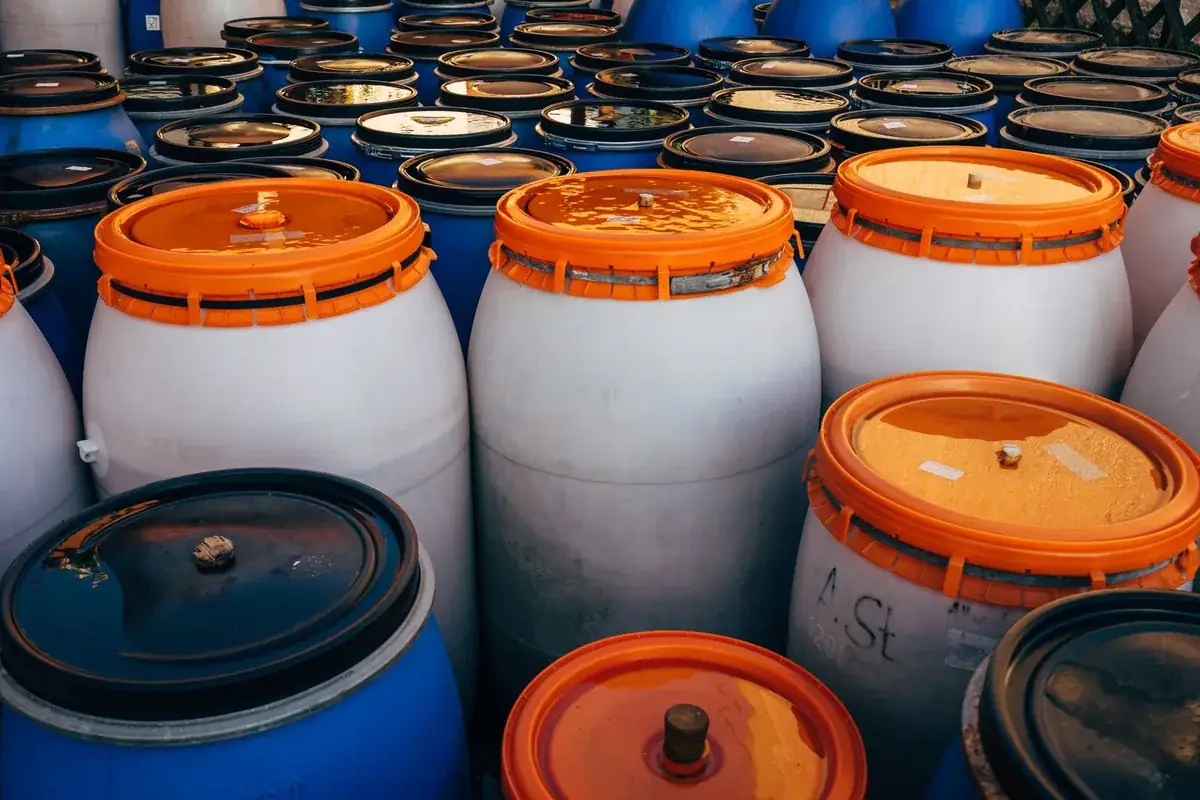
Chemical and toxic waste cleanup is the safe containment, removal and disposal of spilled, leaking or abandoned chemicals. It also covers decontamination of the surfaces and materials the chemicals touched.
Throughout Lead and Lawrence County, you can get a crew to identify the substance, contain the spread, remove contaminated materials and set up hauling for the waste. Call Lead Biohazard Cleanup Help to get started.
Older housing is common in Lead, around 90% built before 1980, so leftover chemicals turn up when homes are cleared out or sold. Lawrence County has a Relatively Low river flood risk rating from FEMA, but a leak near a drain or ditch can still carry chemicals off a property.
What chemical & toxic waste cleanup covers:
The team checks every room, shelf and corner where containers may be hiding. It counts and photographs what it finds before touching anything.
Drains are covered where needed, and absorbent socks and barriers surround the spill. The team works from clean areas toward the source.
Stained concrete, soaked wood and contaminated fabric are cleaned or removed. The crew rinses and treats tools and surfaces according to the maker's data sheet.
Different products are kept apart so that they cannot react. Waste is labeled and moved by the rules that apply to its type.
The cost of chemical & toxic waste cleanup in Lead, SD depends on the amount of material, how it is packed and how it is hauled.
Size and spread matter. A spill on a sealed floor is far less work than one that soaked into soil, concrete or porous materials like wood and drywall.
| Type of job | Typical range |
|---|---|
| Hazardous chemicals | $30 - $50 per barrel |
These ranges come from published cost guides (Fixr) and are not a quote for Lead. Price drivers include type of chemical, amount, packaging and transport, disposal fees. For a real number, call (877) 812-4220.
OSHA sets safety rules for workers who handle hazardous substances. Professional crews follow those rules and use gear matched to the hazard. Employers have their own duties, which safety staff or an attorney can explain.
Yes. Many calls come from managers who find drums, jugs or unlabeled containers in a vacated unit. The lease and local law decide who pays, and the crew can provide photos and records.
Keep people away and call 911 if there is danger. Cleanup teams place barriers and absorbents to stop the spread and remove contaminated soil or materials where needed. Local fire and health officials can say what must be reported.
The terms overlap. Hazmat usually refers to the wider set of hazardous materials, and chemical and toxic waste describes leftover or spilled chemicals. Both call for careful handling. A local team can explain which term fits your situation.
Some products release toxic gas when combined. Bleach and ammonia are a well-known example. Never mix products to clean a spill, and leave the area if you smell fumes.
Biological hazards come from living things, such as bacteria, viruses and body fluids. Chemical hazards come from substances like solvents, acids, fuels and pesticides. They need different gear, products and disposal, and some jobs involve both.
Ask how waste is hauled and disposed of before anyone starts work.
Call (877) 812-4220